
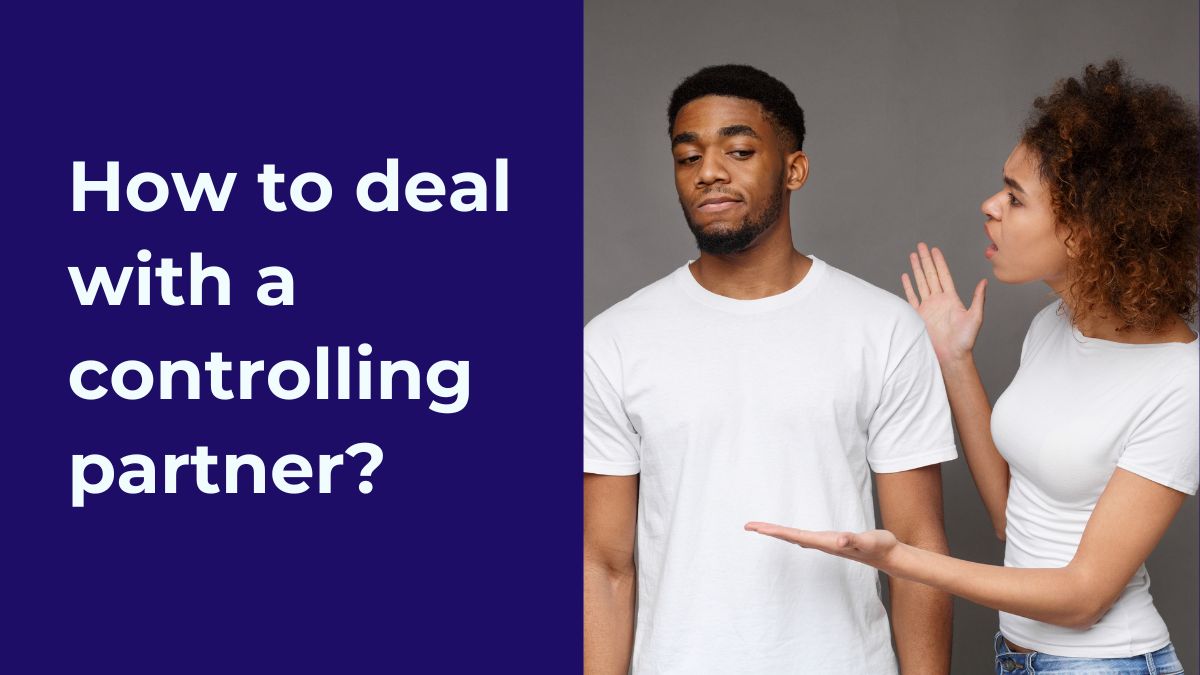
While relationships thrive on love and mutual respect, many people find themselves entangled with partners whose desire for control stifles their independence and happiness. The reality is that controlling behaviour can creep into relationships subtly, often masquerading as concern or care, leaving individuals feeling trapped in a cycle of anxiety and self-doubt.
If you’ve ever felt suffocated by someone else’s need to dominate your decisions or manage your life choices, you’re not alone.
This article will guide you through how to deal with a controlling partner and empower yourself to reclaim autonomy without escalating conflict.
Communicating Your Feelings Effectively
Effectively communicating your feelings can transform the dynamics of a controlling relationship. Start by identifying your emotions, as self-awareness is key. Use I statements to express how certain behaviours impact you personally; for example, saying I feel anxious when plans change unexpectedly, illustrates your experience without assigning blame. This approach not only fosters understanding but also opens the door for productive conversations.
Active listening plays a crucial role in this process. Encourage open dialogue by inviting your partner to share their perspective while demonstrating empathy towards their feelings. Rather than framing these discussions as confrontations, view them as opportunities for growth and mutual understanding. Remember that vulnerability can be a strength; sharing your fears and desires creates an environment of trust that can gradually shift controlling patterns into collaborative support. By nurturing this foundation, both partners can embark on a journey toward healthier communication and a more balanced relationship dynamic.
Setting Healthy Boundaries Together
Setting healthy boundaries together is not about erecting walls, but rather creating a safe space for both partners to express their needs. It demands open communication and mutual respect; the foundation upon which a balanced relationship can thrive. Start by discussing individual values and expectations—what makes each partner feel loved, supported, and respected? This conversation lays the groundwork for understanding how to navigate personal limits without fostering resentment or insecurity.
As you define your boundaries, remember that flexibility is key. Healthy boundaries shouldn’t be rigid; they should evolve as your relationship grows. Encourage regular check-ins where both partners can reassess their needs and feelings without fear of judgment or retribution. By viewing boundary-setting as an ongoing dialogue rather than a one-time discussion, you reinforce trust and collaboration, helping to dismantle any controlling tendencies in the process. Ultimately, this approach allows both partners to feel empowered while nurturing an environment rich in empathy and care.
Also Read: How to End an Emotionally Abusive Relationship
Building Your Self-Esteem and Independence
Building your self-esteem and independence is an empowering journey that can transform your relationship dynamics. Start by recognising the value you bring to every aspect of your life—your talents, thoughts, and unique experiences deserve acknowledgment. Engage in activities that cultivate your skills and passions, whether it’s pursuing a hobby or advancing in your career. Each small achievement reinforces your sense of worth and autonomy.
Moreover, setting clear personal boundaries becomes vital in this process. Establishing limits on what is acceptable behaviour from others empowers you to reclaim control over how you’re treated, allowing you to communicate effectively without feeling diminished or invalidated. Embrace affirmations as daily reminders of your capabilities; for instance, reciting mantras like I am worthy or My voice matters can catalyse profound internal shifts. This reawakening leads not just to increased self-esteem but also nurtures a renewed sense of independence—a crucial step toward fostering healthier relationships free from control.
Seeking Support from Friends or Professionals
The process of reaching out to friends and professionals serves as a vital support system for people who deal with controlling relationships. We get trapped in our partner’s commands, which causes our view of the world to shrink. We end up feeling alone and perplexed. Friends provide an external perspective through their caring support, which stems from their genuine interest in our well-being. The process enables you to discover your hidden destructive behaviours while giving you the power to regain control over your life.
You should seek professional help because therapists and counsellors provide customised methods to help you express your needs while working through control-related problems. Mental health professionals assist you in understanding yourself better while teaching you essential skills to break free from manipulation. The multiple support systems function as a strong network, which enables open communication and healing processes to help you regain control of your life during your experience with a controlling partner.
Strategies for Conflict Resolution
Navigating the complexities of a relationship with a controlling partner requires strategies that foster both understanding and empowerment. One effective approach is to embrace active listening during discussions. Instead of merely waiting for your turn to speak, immerse yourself in your partner’s concerns by paraphrasing their feelings back to them. This not only demonstrates respect but can also diffuse tensions, making it easier for both parties to express their thoughts without defensiveness.
Consider introducing collaborative problem-solving sessions as a regular practice in your relationship. Create an environment where both partners actively participate in finding solutions, which helps shift the dynamic from “me versus you” to “us versus the problem.” Reinforcing this teamwork mentality encourages open dialogue about boundaries, making it easier to address controlling behaviours. Moreover, don’t shy away from seeking external support—whether through therapy or trusted friends—as outside perspectives can often illuminate blind spots and provide invaluable tools for coping with conflict effectively.
Knowing When to Walk Away
Recognising when to walk away from a controlling partner is often the most challenging yet liberating decision one can make. It’s crucial to tune into your own feelings and priorities, rather than solely focusing on your partner’s emotional state. Ask yourself: Are you feeling more anxious, depleted, or constrained rather than supported and uplifted? A clear sign that it may be time to leave is the growing imbalance in power dynamics; if every conversation steers back to their desires while yours are sidelined, it’s a red flag signalling that your relationship may have become unhealthily one-sided.
Moreover, walking away isn’t about casting blame but about reclaiming your agency and well-being. It can open doors to rediscovering your identity outside of the controlling dynamic—your passions, friendships, and personal goals might flourish once you’re no longer shackled by someone else’s expectations. This journey won’t be easy; allowing yourself to grieve what was lost is essential. However, envision the freedom ahead—finding relationships where respect and mutual growth thrive will not only bolster self-worth but also manifest healthier connections in the future.
Related Post: How to Walk Away From a Dysfunctional Relationship?
Conclusion
Embracing empowerment and freedom is not merely an act of rebellion against a controlling partner; it is about reclaiming your identity and dignity. In recognising your inherent value, you begin to dismantle the power structures that have confined you. The journey toward emotional liberation is as much about self-discovery as it is about breaking free from toxic dynamics. By setting boundaries, you articulate your needs and assert your right to autonomy, which cultivates a renewed sense of self-respect.
This transformation can inspire those around you, sparking conversations about healthy relationships and mutual respect. As you empower yourself, consider how your actions might encourage others trapped in similar situations to seek their own liberation.
